
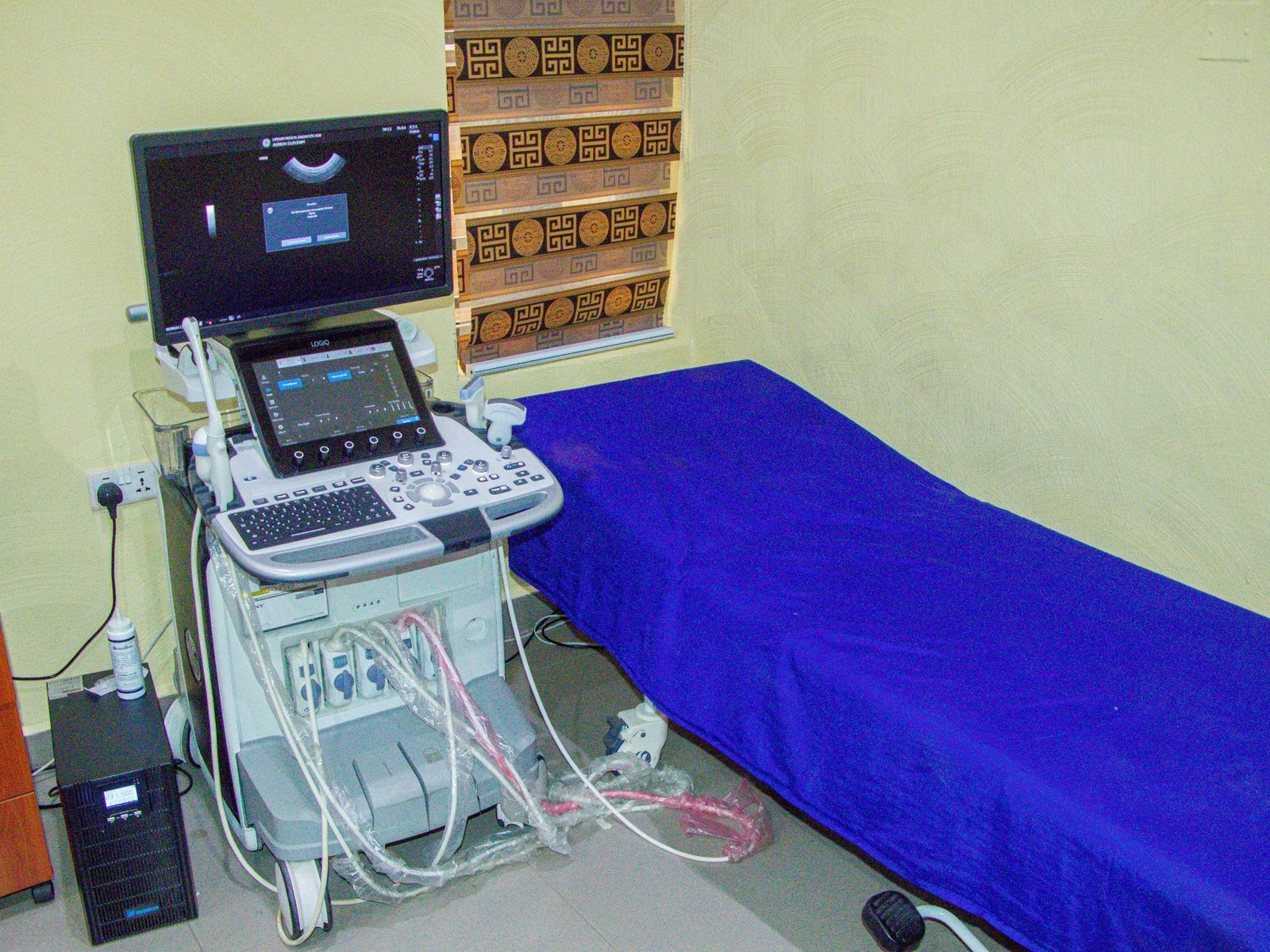
Ultrasound Scan in Owerri
Professional Ultrasound Services for Accurate Medical Imaging in Owerri
When you need a closer look at what is happening inside your body, an ultrasound scan can provide valuable information without using ionizing radiation.
At LifeWay Medical Diagnostic Center, Owerri, we provide ultrasound imaging to support the evaluation of organs, tissues, blood flow and developing pregnancies. Our imaging service is designed around accurate examination, professional care and clear diagnostic support for patients, doctors, clinics and hospitals.
Whether you have been referred for an ultrasound by your doctor or need to understand which type of ultrasound examination may be appropriate for your condition, our team can guide you through the process.
Looking for an ultrasound scan in Owerri? LifeWay provides professional medical imaging in a patient-focused diagnostic environment.
What Is an Ultrasound Scan?
An ultrasound scan, also called sonography, is a medical imaging examination that uses high-frequency sound waves to create real-time images of structures inside the body.
Unlike X-rays and CT scans, ultrasound does not use ionizing radiation.
Depending on the type of examination, ultrasound can be used to assess organs, soft tissues, blood vessels and, during pregnancy, the developing baby.
The examination can help healthcare professionals investigate symptoms, assess known conditions, monitor certain medical conditions and support clinical decision-making.
Ultrasound Services at LifeWay
Different parts of the body require different ultrasound examinations. Your doctor or sonographer will determine the appropriate examination based on your symptoms, medical history and clinical needs.
Abdominal Ultrasound
An abdominal ultrasound provides images of organs and structures within the abdomen.
It may be used to examine structures such as:
- Liver
- Gallbladder
- Pancreas
- Spleen
- Kidneys
- Abdominal blood vessels
- Other structures within the abdominal region
Your doctor may recommend an abdominal ultrasound when investigating symptoms such as abdominal pain, swelling or other unexplained findings.
It may also be used to monitor certain known conditions.
Pelvic Ultrasound
A pelvic ultrasound examines organs and structures within the pelvic region.
Depending on the patient’s sex and clinical needs, it may be used to assess structures including the uterus, ovaries, bladder and surrounding pelvic tissues.
A pelvic ultrasound may be requested when investigating:
- Pelvic pain
- Abnormal bleeding
- Menstrual-related concerns
- Ovarian abnormalities
- Uterine abnormalities
- Certain fertility-related concerns
- Other unexplained pelvic symptoms
Your healthcare provider can advise whether a pelvic ultrasound is appropriate for your situation.
Pregnancy Ultrasound in Owerri
Ultrasound is an important part of pregnancy care and can be used at different stages of pregnancy to assess the developing baby and pregnancy-related structures.
Depending on the stage of pregnancy and clinical indication, ultrasound may help assess:
- Pregnancy location
- Fetal development
- Fetal heartbeat
- Gestational age
- Fetal position
- Placenta
- Amniotic fluid
- General pregnancy progress
Your doctor or maternity care provider can advise when an ultrasound examination is appropriate during pregnancy.
Pregnancy Scans Should Be Clinically Appropriate
Pregnancy ultrasound is not simply about obtaining images of the baby. The examination can provide important clinical information about the pregnancy.
If you are pregnant or think you may be pregnant, discuss your imaging needs with your healthcare provider and follow the recommended examination schedule.
Obstetric Ultrasound
Obstetric ultrasound focuses specifically on imaging during pregnancy.
Depending on the stage of pregnancy, an obstetric scan may be performed to evaluate fetal development, pregnancy dating, fetal position, placenta and other pregnancy-related structures.
The type of examination performed will depend on the reason for the scan and the stage of pregnancy.
Transabdominal Ultrasound
A transabdominal ultrasound is performed by moving an ultrasound probe over the skin of the abdomen.
A special ultrasound gel is applied to the skin to allow the sound waves to travel effectively between the transducer and the body.
For certain examinations, you may be asked to have a full bladder before the scan. If this is required, the imaging team will provide instructions before your appointment.
Transvaginal Ultrasound
A transvaginal ultrasound is a specialized examination used to obtain detailed images of structures within the female pelvis.
It may be recommended for certain gynecological or early-pregnancy assessments.
Because the examination involves a specialized probe, the sonographer or healthcare professional should explain the procedure beforehand and answer any questions you may have.
Patient privacy, dignity and appropriate clinical care are important throughout the examination.
Breast Ultrasound
Breast ultrasound uses sound waves to produce images of breast tissue.
It may be used as part of the evaluation of a breast lump or other breast-related finding and can sometimes be used alongside mammography or other investigations.
Ultrasound does not replace mammography in every situation. The appropriate examination depends on the patient’s age, symptoms, clinical history and the reason for investigation.
If you notice a new breast lump, change or other unusual breast symptom, speak with a qualified healthcare professional.
Thyroid Ultrasound
A thyroid ultrasound provides detailed images of the thyroid gland and surrounding structures in the neck.
It may be requested when a healthcare professional needs to assess:
- Thyroid nodules
- Changes in thyroid size
- Cysts
- Structural abnormalities
- Other findings involving the thyroid
Ultrasound can provide useful information about the structure of the thyroid and may help determine whether further investigation is necessary.
Kidney and Urinary Tract Ultrasound
Ultrasound can be used to examine the kidneys and parts of the urinary system.
A healthcare provider may request this examination when investigating certain urinary symptoms, kidney-related concerns or abnormalities identified during other assessments.
Depending on the clinical indication, the examination may include assessment of the kidneys and bladder.
Pelvic and Gynaecological Ultrasound
Ultrasound can provide important imaging information when evaluating the female reproductive system.
It may be requested to investigate:
- Pelvic pain
- Abnormal bleeding
- Ovarian cysts
- Uterine abnormalities
- Fibroids
- Fertility-related concerns
- Other gynaecological symptoms
The type of ultrasound used depends on the clinical question and the structures that need to be examined.
Doppler Ultrasound
A Doppler ultrasound is a specialized form of ultrasound that can assess blood flow through blood vessels.
It uses changes in sound waves to provide information about the movement of blood.
Doppler imaging may be used to assess blood flow in different parts of the body, depending on the clinical indication.
It can provide information that conventional ultrasound imaging alone may not show.
Ultrasound for Soft Tissue and Musculoskeletal Assessment
Ultrasound can also be used to examine certain superficial soft tissues, muscles, tendons and other structures.
Depending on the clinical indication, it may help assess:
- Soft-tissue abnormalities
- Certain muscle injuries
- Tendon problems
- Localized swelling
- Superficial lumps
- Fluid collections
Your doctor can determine whether ultrasound is suitable for investigating a particular soft-tissue concern.
Why Might Your Doctor Request an Ultrasound?
There are many reasons why a healthcare professional may recommend an ultrasound scan.
An ultrasound may be requested to:
- Investigate unexplained pain
- Examine an abnormal lump or swelling
- Assess abdominal organs
- Evaluate pelvic symptoms
- Monitor pregnancy
- Examine the thyroid
- Assess certain breast findings
- Investigate urinary or kidney-related concerns
- Assess blood flow using Doppler imaging
- Monitor a known condition
- Provide additional information after another medical examination
The decision to perform an ultrasound should be based on the patient’s symptoms, medical history and clinical needs.
What Happens During an Ultrasound Scan?
An ultrasound examination is generally straightforward and does not usually require invasive procedures.
1. Registration and preparation
You will provide the necessary information and receive any preparation instructions relevant to your examination.
2. Positioning
You will be positioned appropriately for the part of the body being examined.
3. Ultrasound gel
A small amount of ultrasound gel is applied to the skin. The gel helps the ultrasound probe make good contact with the body.
4. Imaging
The sonographer moves the ultrasound transducer over the examination area to obtain images from different angles.
You may be asked to change position or briefly hold your breath during certain examinations.
5. Image review and reporting
The images are reviewed as part of the diagnostic process, and a report is prepared according to the examination and clinical workflow.
Your referring doctor can then use the findings together with your symptoms, medical history and other investigations.
Is an Ultrasound Scan Painful?
Most ultrasound examinations are non-invasive and generally painless.
You may feel mild pressure as the transducer is moved over the examination area, particularly if the area being examined is tender.
Some specialized examinations may feel different, and the healthcare professional should explain the procedure beforehand.
If you experience discomfort during an examination, tell the sonographer.
How Long Does an Ultrasound Take?
The duration of an ultrasound depends on the type of examination and the area being assessed.
Some examinations are relatively quick, while more detailed studies may take longer.
Your appointment may also include preparation and other administrative steps.
When booking your ultrasound at LifeWay, you can ask about the expected duration and any preparation requirements for your particular examination.
How to Prepare for an Ultrasound Scan
Preparation depends on the type of ultrasound you are having.
For some abdominal or pelvic examinations, you may be asked to:
- Fast for a specified period before the examination.
- Drink water before the scan.
- Have a full bladder.
- Avoid certain foods or drinks temporarily.
Not every ultrasound requires preparation.
Follow the specific instructions provided by LifeWay or your referring healthcare professional rather than assuming that preparation is required.
Is Ultrasound Safe?
Ultrasound uses high-frequency sound waves rather than ionizing radiation.
It has been widely used in medical imaging, including pregnancy care.
As with any medical examination, ultrasound should be performed for an appropriate clinical purpose by trained healthcare professionals.
Ultrasound During Pregnancy
Ultrasound is commonly used during pregnancy because it can provide real-time images without the use of ionizing radiation.
However, pregnancy scans should be performed for appropriate medical or clinical reasons and according to the advice of your healthcare provider.
If you are pregnant and have questions about the type or timing of an ultrasound, discuss your needs with your doctor or maternity care provider.
Ultrasound for Men and Women
Ultrasound is used for many different diagnostic purposes in both men and women.
For women
Ultrasound may be used for:
- Pregnancy imaging
- Pelvic assessment
- Gynaecological investigations
- Breast imaging
- Abdominal examinations
- Kidney and urinary tract assessment
- Other soft-tissue investigations
For men
Ultrasound may be used for:
- Abdominal imaging
- Kidney and urinary tract assessment
- Prostate-related imaging where clinically indicated
- Scrotal/testicular imaging where clinically indicated
- Soft-tissue assessment
- Other diagnostic investigations
The appropriate examination depends on your symptoms and your doctor’s clinical assessment.
Why Choose LifeWay for Ultrasound in Owerri?
At LifeWay Medical Diagnostic Center, ultrasound is part of a wider diagnostic service designed to help patients access the investigations they need in one professional environment.
Patient-focused imaging
We understand that diagnostic examinations can sometimes cause anxiety. Our team aims to provide clear guidance and a comfortable examination experience.
Professional diagnostic environment
Ultrasound examinations are carried out as part of an organized diagnostic workflow, from patient registration through imaging and reporting.
Different ultrasound examinations
From abdominal and pelvic imaging to pregnancy-related scans and Doppler studies, the appropriate examination can be selected according to the clinical need.
Integrated diagnostic services
LifeWay also provides laboratory, radiology, cardiac and other diagnostic services, allowing patients and referring healthcare professionals to access multiple diagnostic investigations.
Ultrasound services in Owerri
If you are searching for an ultrasound center in Owerri, LifeWay provides access to medical imaging services within Owerri, Imo State.
Ultrasound for Doctors, Clinics and Hospitals
LifeWay provides diagnostic imaging support not only for individual patients but also for patients referred by healthcare professionals.
Doctors, clinics and hospitals may refer patients for ultrasound when imaging information is required to support diagnosis, monitoring or treatment planning.
Our diagnostic services are designed to support communication between patients and healthcare providers while maintaining a professional examination and reporting process.
Frequently Asked Questions About Ultrasound
Where can I get an ultrasound scan in Owerri?
LifeWay Medical Diagnostic Center provides ultrasound and other diagnostic imaging services in Owerri, Imo State. Contact the center to confirm the type of examination available and any preparation required.
Do I need a doctor’s referral for an ultrasound?
The requirement can depend on the type of examination and the clinical circumstances. If your doctor has requested an ultrasound, bring the referral or request with you.
Can I eat before an ultrasound?
It depends on the type of ultrasound. Some examinations require fasting, while others do not. You should follow the preparation instructions given for your specific examination.
Do I need a full bladder for an ultrasound?
Some pelvic and urinary examinations may require a full bladder to improve visualization. This is not necessary for every ultrasound examination.
Is ultrasound safe during pregnancy?
Ultrasound does not use ionizing radiation and is commonly used during pregnancy. Pregnancy imaging should nevertheless be performed for appropriate clinical purposes and according to professional guidance.
How long does an ultrasound scan take?
The examination time varies according to the type of scan and the area being examined. Your imaging team can provide an estimated duration when you book.
Is ultrasound painful?
Most ultrasound examinations are painless. You may experience some pressure from the transducer, particularly when the examination area is tender.
Can ultrasound detect a medical condition?
Ultrasound can identify and characterize many structural abnormalities and provide valuable diagnostic information. However, an ultrasound finding does not always establish a final diagnosis on its own. Your doctor may recommend additional tests depending on the findings.
What should I bring for my ultrasound appointment?
Bring your doctor’s request or referral if applicable, relevant previous reports or imaging results, and information about medications or medical conditions that may be relevant to the examination.
Book an Ultrasound Scan in Owerri
Need an ultrasound scan in Owerri?
Whether you have been referred for an abdominal ultrasound, pregnancy scan, pelvic ultrasound, Doppler examination or another type of diagnostic ultrasound, LifeWay Medical Diagnostic Center can provide information about the appropriate examination and preparation.