
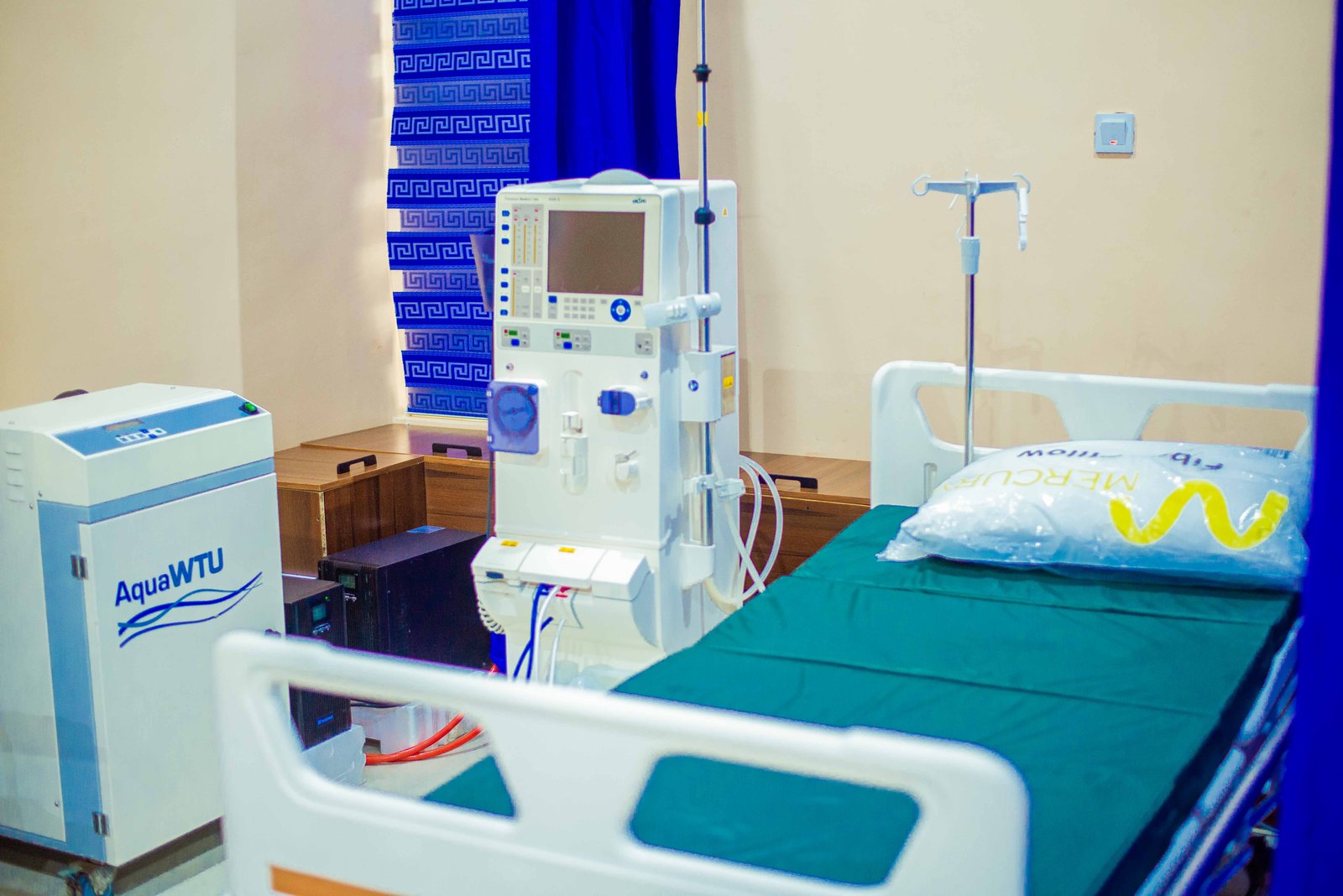
Hemodialysis Services in Owerri
Professional Hemodialysis Care for Patients with Advanced Kidney Disease
When the kidneys are no longer able to adequately remove waste products and excess fluid from the blood, dialysis may become necessary.
Hemodialysis is a form of renal replacement therapy that uses a dialysis machine and a special filter called a dialyzer to help remove waste products, excess fluid and certain substances from the blood.
At LifeWay Diagnostics in Owerri, our Hemodialysis Services are designed to support patients who have been prescribed dialysis as part of the management of severe kidney impairment or kidney failure.
We understand that starting or continuing dialysis can be a significant part of a person’s healthcare journey. Our goal is to provide a professional environment where patients can receive appropriate dialysis care while being treated with dignity, respect and attention.
If you or a family member has been advised to undergo hemodialysis, this page explains what the treatment involves, how it works, what to expect during a session and important questions to discuss with your healthcare team.
What Is Hemodialysis?
Hemodialysis is a treatment that helps perform some of the functions normally carried out by healthy kidneys.
Healthy kidneys help the body:
Remove waste products from the blood
Remove excess fluid
Maintain appropriate levels of minerals and electrolytes
Help regulate fluid balance
Contribute to blood pressure regulation
Support other important functions within the body
When kidney function becomes severely reduced, waste products and excess fluid can accumulate in the body.
During hemodialysis, blood is circulated through a dialysis machine.
The blood passes through a dialyzer, which acts as a filter. Waste products and excess fluid are removed before the cleaned blood is returned to the body.
Who Needs Hemodialysis?
Hemodialysis may be recommended for people whose kidneys are no longer able to adequately perform their essential functions.
It is commonly used in people with advanced chronic kidney disease or kidney failure.
The decision to start dialysis is not based on one laboratory result alone.
A healthcare team considers several factors, including:
Kidney function
Symptoms
Fluid balance
Electrolyte levels
Waste-product accumulation
Overall health
Response to medical treatment
Other clinical circumstances
In some situations, hemodialysis may also be used temporarily when kidney function has suddenly deteriorated and recovery is possible.
The decision to begin dialysis should be made by the patient’s medical team based on the individual’s clinical condition.
What Does Hemodialysis Do?
Hemodialysis helps the body remove substances that can accumulate when the kidneys are unable to remove them effectively.
During treatment, dialysis can help:
Remove Waste Products
The dialyzer helps remove waste substances from the blood.
Remove Excess Fluid
If the kidneys cannot adequately remove fluid, dialysis can help remove excess fluid according to the patient’s prescribed treatment plan.
Help Manage Electrolyte Imbalances
Dialysis can help manage certain electrolyte abnormalities, including changes in substances such as potassium.
Support Fluid Balance
Removing excess fluid can help support appropriate fluid balance in patients whose kidneys are not functioning adequately.
Hemodialysis does not completely replace all kidney functions. It is one component of the overall management of advanced kidney disease.
How Does Hemodialysis Work?
Hemodialysis involves several important components.
1. Vascular Access
Blood needs to move safely between the patient’s bloodstream and the dialysis machine.
A patient may have a type of vascular access such as:
Arteriovenous fistula
Arteriovenous graft
Central venous catheter
The appropriate access depends on the patient’s clinical circumstances and dialysis plan.
2. Dialysis Machine
The dialysis machine controls the movement of blood and dialysis fluid during treatment.
It also monitors important aspects of the dialysis process.
3. Dialyzer
The dialyzer contains a specialized membrane that allows waste products and excess fluid to move out of the blood while helping retain important blood components.
4. Return of Filtered Blood
After passing through the dialyzer, the treated blood is returned to the patient’s bloodstream.
The process continues for the prescribed duration of the dialysis session.
What Happens During a Hemodialysis Session?
If you are new to dialysis, understanding what happens during treatment can make the experience less unfamiliar.
Step 1: Pre-Dialysis Assessment
Before treatment, the healthcare team may check:
Blood pressure
Pulse
Weight
General condition
Vascular access
Relevant symptoms
Other clinical measurements
Your healthcare team may also ask how you have been feeling since your previous session.
Step 2: Preparing the Dialysis Access
The dialysis access is prepared according to the type of access you have.
For a fistula or graft, needles may be inserted to allow blood to circulate through the dialysis system.
If you have a dialysis catheter, the healthcare team will use the established access according to appropriate clinical procedures.
Step 3: Connecting to the Dialysis Machine
Blood is circulated from your body through the dialysis machine and into the dialyzer.
Step 4: Filtration
The dialyzer removes waste products and excess fluid according to the treatment prescription.
Step 5: Monitoring
During dialysis, the healthcare team monitors you and the dialysis process.
Depending on the circumstances, monitoring may include:
Blood pressure
Pulse
Symptoms
Fluid removal
Dialysis machine parameters
Vascular access
Step 6: Completion
At the end of the prescribed treatment period, the blood is returned according to the dialysis procedure and the patient is disconnected from the machine.
Your vital signs and general condition may then be assessed again.
How Long Does Hemodialysis Take?
The duration of a dialysis session varies depending on the patient’s individual treatment prescription.
For many people receiving maintenance hemodialysis, a session may last several hours.
The exact duration depends on factors such as:
Kidney function
Treatment goals
Body size
Amount of fluid requiring removal
Dialysis prescription
Vascular access
Overall medical condition
Your nephrologist or dialysis team will determine the appropriate treatment duration.
How Often Is Hemodialysis Needed?
The frequency of dialysis depends on the patient’s medical condition and prescribed treatment plan.
People receiving maintenance hemodialysis often require treatment multiple times per week.
However, the schedule is individualized.
Factors that may influence the dialysis schedule include:
Remaining kidney function
Fluid accumulation
Laboratory results
Symptoms
Dialysis adequacy
Overall medical condition
Medical treatment plan
Do not change or skip dialysis sessions without discussing it with your healthcare team.
What Does Hemodialysis Feel Like?
Many patients adjust to the experience of dialysis over time.
During treatment, you may sit or lie in a comfortable position while connected to the dialysis machine.
Some patients read, watch television, listen to music or rest during a session.
You may experience temporary symptoms during or after dialysis, including:
Tiredness
Muscle cramps
Headache
Nausea
Dizziness
Changes in blood pressure
Not everyone experiences these symptoms.
If you feel unwell during dialysis, tell the healthcare team immediately so that you can be assessed.
Does Hemodialysis Hurt?
The dialysis treatment itself should not generally be painful, although needle insertion can cause temporary discomfort when using a fistula or graft.
Patients with a dialysis catheter have a different access method.
Your healthcare team will use appropriate procedures to reduce discomfort and protect the dialysis access.
Tell the dialysis team if you experience:
Significant pain
Persistent discomfort
Swelling
Bleeding
Redness
Unusual warmth
Other changes around the access site
Preparing for Hemodialysis
Your dialysis team will provide specific instructions based on your treatment plan.
Preparation may include:
Arriving at the scheduled time
Taking prescribed medications according to instructions
Following your prescribed diet
Following your fluid restriction if one has been recommended
Bringing any necessary medical information
Informing the healthcare team about changes in your health
Do not change your medication, diet or fluid intake without discussing it with your healthcare team.
What Should I Bring to a Dialysis Session?
Depending on your treatment arrangements, you may want to bring:
Your medication information
Relevant medical records
A water bottle only if permitted within your fluid plan
Reading material
Headphones or another quiet activity
Any other items recommended by your dialysis team
Because dialysis sessions can last several hours, many patients bring something to read, listen to or watch.
Eating and Drinking During Hemodialysis
Diet and fluid management are important parts of kidney care.
However, dietary recommendations are not the same for every dialysis patient.
Your nutritional needs may depend on:
Kidney function
Dialysis schedule
Blood test results
Potassium levels
Phosphate levels
Fluid balance
Other medical conditions
Your nephrologist or renal dietitian can provide individualized advice.
Do not assume that a diet recommended for another dialysis patient is appropriate for you.
Fluid Management During Dialysis
When the kidneys cannot remove fluid effectively, excess fluid can accumulate.
Depending on your condition, your healthcare team may prescribe a daily fluid limit.
Excess fluid can contribute to problems such as:
Swelling
Breathlessness
High blood pressure
Increased strain on the heart
During hemodialysis, some excess fluid can be removed according to the prescribed treatment plan.
Your healthcare team may monitor your weight before and after dialysis to help assess fluid changes.
Understanding Your Dialysis Access
Your vascular access is an important part of your dialysis treatment.
It provides the route through which blood travels to and from the dialysis machine.
Arteriovenous Fistula
A fistula is created by surgically connecting an artery to a vein, usually in the arm.
It is commonly used for long-term hemodialysis when suitable.
Arteriovenous Graft
A graft uses a special tube to connect an artery and vein when a fistula is not suitable.
Central Venous Catheter
A catheter is a tube placed into a large vein to provide access for dialysis.
Catheters may be used in certain situations, including when dialysis is needed urgently or while another access is being prepared.
Your nephrologist or vascular access team will determine the most appropriate option.
Caring for Your Dialysis Access
Protecting your dialysis access is an important part of treatment.
Your healthcare team may advise you to:
Keep the access clean
Check for signs of infection
Monitor for unusual swelling
Report bleeding promptly
Avoid unnecessary pressure on the access
Follow specific instructions regarding blood pressure measurements and blood draws on the access arm where applicable
Your dialysis team should explain how to care for your particular type of access.
Signs of a Possible Dialysis Access Problem
Contact your healthcare team if you notice:
Increasing redness
Swelling
Pain
Warmth
Discharge
Persistent bleeding
Changes around the catheter site
Other unusual changes
For a fistula or graft, your healthcare team may also teach you how to check for the expected vibration or “thrill” associated with blood flow through the access.
If you notice a sudden change or loss of the expected flow sensation, contact your dialysis team promptly.
Is Hemodialysis Safe?
Hemodialysis is an established treatment for advanced kidney failure, but like any medical treatment, it can have potential complications.
Possible problems during or after dialysis can include:
Low blood pressure
Muscle cramps
Nausea
Headache
Fatigue
Changes in electrolyte levels
Problems with vascular access
Infection
Bleeding
The risks vary between patients.
Your dialysis team monitors you during treatment and adjusts the treatment plan when clinically necessary.
When Should a Dialysis Patient Seek Urgent Medical Attention?
A person receiving dialysis should seek urgent medical attention for serious symptoms such as:
Severe difficulty breathing
Chest pain
Loss of consciousness
Severe weakness
Severe or persistent bleeding
Signs of a serious infection
Sudden confusion
Severe or rapidly worsening swelling
Other sudden or life-threatening symptoms
If you experience an emergency, seek immediate medical care rather than waiting for your next dialysis session.
Hemodialysis and Kidney Disease Monitoring
Dialysis is only one part of comprehensive kidney care.
Patients receiving hemodialysis usually require regular monitoring of their health and treatment response.
Depending on the individual’s condition, monitoring may include:
Blood tests
Blood pressure measurements
Weight measurements
Electrolyte testing
Kidney-related laboratory tests
Haemoglobin monitoring
Assessment of dialysis adequacy
Vascular access assessment
LifeWay Diagnostics also provides laboratory services that may support medical monitoring when clinically required.
These include:
Hematology
Medical Biochemistry
Microbiology
Histopathology
Molecular Biology
Hemodialysis and Laboratory Testing
Laboratory testing is an important part of managing patients with advanced kidney disease.
Blood tests may be used to monitor parameters such as:
Electrolytes
Urea
Creatinine
Haemoglobin
Other relevant biochemical measurements
The specific tests required depend on the patient’s condition and dialysis plan.
Laboratory results should always be interpreted by the patient’s healthcare team in the context of their overall clinical condition.
Hemodialysis Is Not the Same as Kidney Transplantation
Hemodialysis and kidney transplantation are different approaches to managing kidney failure.
Hemodialysis uses a machine to help perform some functions of the kidneys.
Kidney transplantation involves surgically placing a functioning donor kidney into the recipient.
Not every patient is suitable for transplantation, and the decision depends on individual medical circumstances and specialist assessment.
Some patients receive dialysis while being assessed for transplantation, while others may require long-term dialysis.
Hemodialysis vs Peritoneal Dialysis
There are different forms of dialysis.
Hemodialysis
Uses a dialysis machine and external filter to clean the blood.
Peritoneal Dialysis
Uses the lining of the abdomen, called the peritoneum, as part of the filtration process.
The choice of dialysis method depends on medical circumstances, lifestyle considerations, available resources and the recommendation of the patient’s healthcare team.
Living With Hemodialysis
Starting dialysis can require changes to daily routines.
Patients may need to plan around:
Dialysis appointments
Medication
Diet
Fluid intake
Medical appointments
Laboratory monitoring
Vascular access care
It is normal to have questions when beginning treatment.
Patients and families should feel comfortable asking their healthcare team about:
The dialysis schedule
Fluid restrictions
Diet
Medications
Access care
Symptoms
Travel
Work and daily activities
Long-term treatment planning
Understanding your treatment can make it easier to participate actively in your healthcare.
Hemodialysis for Families and Caregivers
Kidney failure affects more than the patient.
Family members and caregivers may also need to understand:
Why dialysis is required
How frequently treatment takes place
How long sessions may last
The importance of attending scheduled treatments
Fluid and dietary recommendations
How to recognize warning signs
How to support vascular access care
When to contact the healthcare team
If you are supporting someone receiving dialysis, ask their healthcare team for guidance specific to their condition.
Why Choose LifeWay Diagnostics for Hemodialysis in Owerri?
Patient-Centred Care
We understand that dialysis can become a significant part of everyday life.
Our approach focuses on treating patients with dignity, respect and attention throughout their care.
Professional Dialysis Environment
Hemodialysis requires careful preparation, monitoring and adherence to an individualized treatment plan.
Our service is structured around the needs of patients receiving prescribed dialysis treatment.
Integrated Diagnostic Services
LifeWay Diagnostics offers laboratory, imaging, clinical physiology and interventional services.
This broader diagnostic environment can support patients who require multiple forms of investigation as part of their healthcare.
Clear Communication
We encourage patients and families to ask questions and understand their treatment plan.
Convenient Access in Owerri
LifeWay Diagnostics provides specialized diagnostic and clinical services for patients in Owerri and surrounding communities.
Who Can Access Hemodialysis Services?
Hemodialysis should be provided to patients who have been medically assessed and prescribed dialysis by an appropriate healthcare professional.
It may be required by patients with:
Advanced chronic kidney disease
Kidney failure
Severe reduction in kidney function
Acute kidney injury requiring temporary dialysis
Certain serious fluid or electrolyte disturbances requiring renal replacement therapy
The need for dialysis is determined by the patient’s healthcare team.
Frequently Asked Questions About Hemodialysis in Owerri
What is hemodialysis?
Hemodialysis is a treatment that uses a dialysis machine and dialyzer to remove waste products and excess fluid from the blood when the kidneys cannot adequately perform these functions.
Who needs hemodialysis?
People with severe loss of kidney function may require hemodialysis. It can also be used temporarily in certain cases of acute kidney injury.
How often do I need dialysis?
The schedule is individualized. Patients receiving maintenance hemodialysis often require treatment several times per week, but your nephrologist will determine your specific schedule.
How long does a dialysis session take?
Many maintenance hemodialysis sessions last several hours, although the exact duration depends on the patient’s treatment prescription.
Is hemodialysis painful?
The dialysis process itself is not usually painful, although needle insertion can cause temporary discomfort for patients using a fistula or graft.
Can I eat during dialysis?
Whether you can eat during treatment depends on your individual circumstances and the policies of the dialysis centre. Your dietary and fluid plan should be discussed with your healthcare team.
Can I drink water during dialysis?
Fluid intake is often restricted for patients with advanced kidney disease, but the appropriate amount varies between individuals. Follow the fluid allowance prescribed by your healthcare team.
What happens if I miss a dialysis session?
Missing dialysis can allow waste products and excess fluid to accumulate and may be dangerous. If you cannot attend a scheduled session, contact your dialysis team as soon as possible for instructions.
Can I work while receiving dialysis?
Many people continue working or participating in normal activities while receiving dialysis, although schedules may need to be adjusted around treatment and individual health needs.
Can I travel while receiving dialysis?
Travel may be possible for some dialysis patients, but it requires advance planning and coordination with dialysis providers at the destination. Discuss travel plans with your healthcare team well in advance.
Is dialysis a permanent treatment?
Not always. Some patients require dialysis temporarily, particularly in certain cases of acute kidney injury. Others with irreversible kidney failure may require long-term dialysis unless they receive another form of renal replacement therapy such as transplantation.
Can dialysis cure kidney disease?
Hemodialysis does not cure kidney disease. It replaces some kidney functions by removing waste products and excess fluid from the blood.
What is a dialysis access?
Dialysis access is the route through which blood travels between the patient’s bloodstream and the dialysis machine. It may be an arteriovenous fistula, graft or catheter.
What should I do if my dialysis access becomes painful or swollen?
Contact your dialysis or healthcare team promptly. Pain, swelling, redness, warmth, discharge, bleeding or sudden changes in the access may require assessment.
Looking for Hemodialysis Services in Owerri?
If you or a family member has been advised to undergo dialysis, LifeWay Diagnostics in Owerri provides hemodialysis services as part of our specialized Interventional Services.
Our team can provide information about the dialysis process, appointment arrangements and the next steps for patients who have been medically prescribed hemodialysis.