
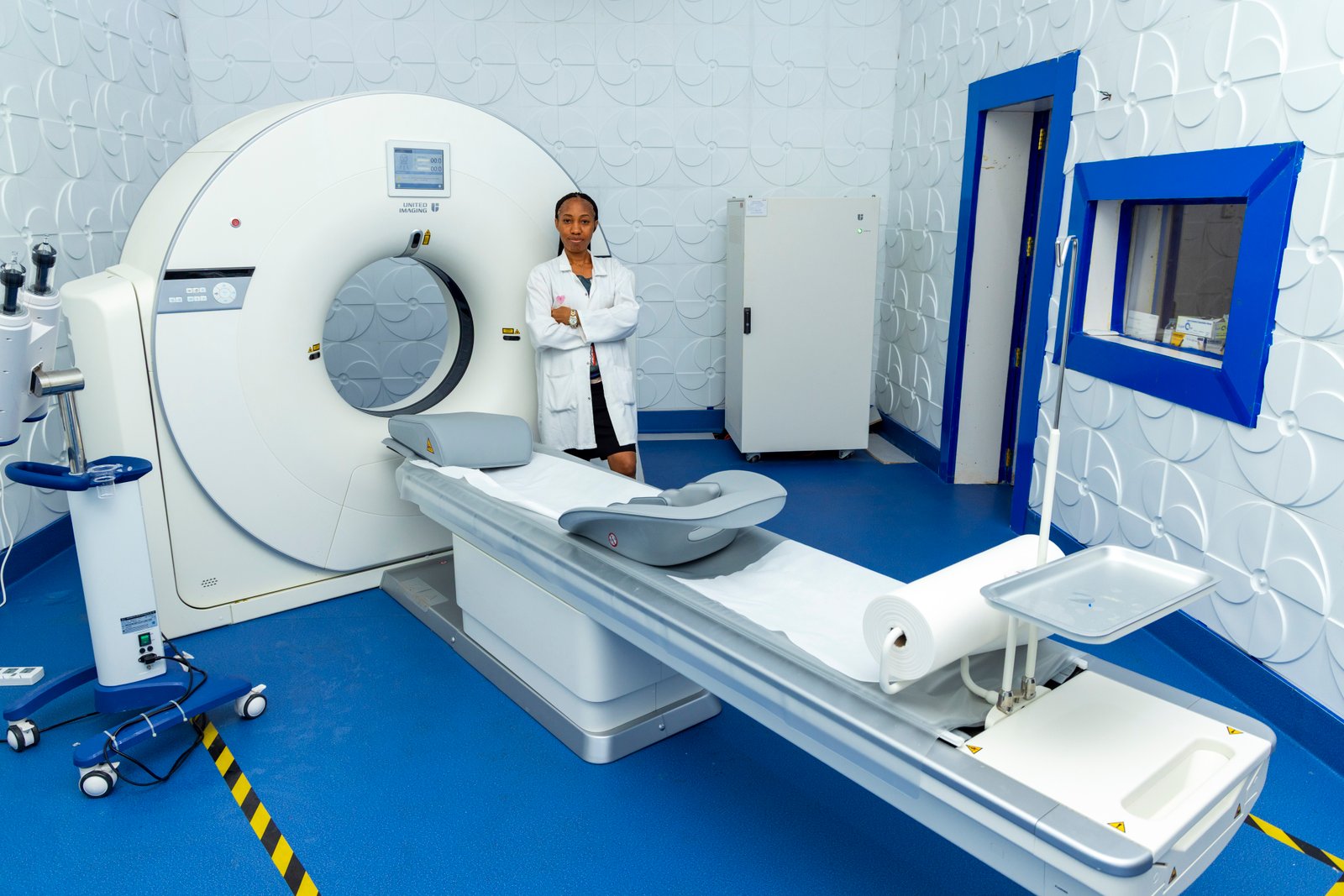
Interventional Services in Owerri
Specialized Interventional and Procedural Care at LifeWay Diagnostics
Some medical conditions require more than a laboratory test or diagnostic scan. They may require a procedure that allows a healthcare professional to examine a specific part of the body more closely, investigate symptoms, obtain important clinical information, or provide ongoing supportive care.
At LifeWay Diagnostics in Owerri, our Interventional Services are designed to support patients who require specialized procedures as part of their diagnosis, treatment pathway, or ongoing medical care.
Our interventional service offering includes:
Endoscopy
Nasendoscopy
Hemodialysis
Each service serves a different clinical purpose. Your doctor or healthcare professional will determine which procedure is appropriate based on your symptoms, medical history, examination findings and overall healthcare needs.
Whether you have been referred for an endoscopic examination, need assessment of the nose and upper airway, or require hemodialysis support, our team is committed to providing a professional, respectful and patient-focused experience.
What Are Interventional Services?
Interventional services involve medical procedures that go beyond routine observation or external examination.
Depending on the service, an intervention may involve using specialized equipment to:
Examine internal structures
Investigate unexplained symptoms
Support diagnosis
Monitor an existing medical condition
Obtain information needed for further clinical management
Provide ongoing supportive treatment where clinically appropriate
The specific procedure, preparation and recovery requirements vary considerably between services.
At LifeWay Diagnostics, patients are guided through the relevant procedure and given appropriate instructions before the examination or treatment.
Our Interventional Services in Owerri
Endoscopy
Endoscopy uses a specialized instrument called an endoscope to allow a healthcare professional to examine parts of the digestive tract or other internal structures, depending on the type of procedure being performed.
An endoscope typically contains a camera and light source, allowing the clinician to view areas that cannot be adequately examined from outside the body.
Endoscopic procedures may be recommended when a doctor needs to investigate symptoms, examine an area more closely or obtain additional clinical information.
Endoscopy may be considered for symptoms such as:
Persistent abdominal discomfort
Upper abdominal pain
Difficulty swallowing
Persistent indigestion
Recurrent heartburn
Nausea or vomiting
Unexplained gastrointestinal symptoms
Suspected bleeding within the digestive tract
Other symptoms requiring direct internal examination
The exact type of endoscopy required depends on the patient’s symptoms and the area that needs to be examined.
Explore Endoscopy Services in Owerri →
Nasendoscopy
Nasendoscopy is a specialized examination used to look inside the nose and upper airway using a thin, flexible instrument equipped with a light and camera.
It can allow a healthcare professional to examine areas that may not be adequately visible through a routine external examination.
Depending on the clinical reason for the examination, nasendoscopy may help assess structures within the:
Nose
Nasal passages
Nasopharynx
Throat
Upper airway
A doctor may recommend nasendoscopy when a patient has persistent symptoms involving the nose, throat or upper airway.
Symptoms that may require further assessment include:
Persistent nasal blockage
Difficulty breathing through the nose
Recurrent nasal symptoms
Persistent throat discomfort
Voice changes
Difficulty swallowing
Persistent sensation of something in the throat
Unexplained upper-airway symptoms
The procedure and preparation will depend on the patient’s clinical needs.
Explore Nasendoscopy Services in Owerri →
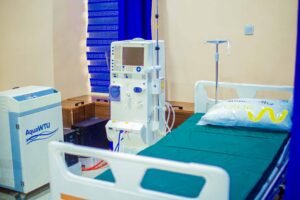
Hemodialysis Services
Hemodialysis is a form of renal replacement therapy used when the kidneys are unable to adequately perform important functions such as removing waste products and excess fluid from the blood.
During hemodialysis, blood is circulated through a dialysis machine and a special filter called a dialyzer.
The dialyzer helps remove waste products and excess fluid before the blood is returned to the body.
Hemodialysis may be used for people with advanced kidney disease or kidney failure when dialysis has been recommended by their healthcare team.
Hemodialysis may help:
Remove waste products from the blood
Remove excess fluid
Help manage certain electrolyte abnormalities
Support the body’s fluid balance
Perform some of the functions that failing kidneys can no longer adequately perform
The frequency and duration of dialysis sessions are determined by the patient’s medical condition and dialysis plan.
Explore Hemodialysis Services in Owerri →

Why Might You Be Referred for an Interventional Service?
A referral for an interventional procedure does not necessarily mean that a serious condition has already been diagnosed.
In many cases, a procedure is recommended because the healthcare professional needs more information before making or confirming a diagnosis.
For example, a doctor may recommend:
Endoscopy
to investigate persistent digestive symptoms or examine the gastrointestinal tract.
Nasendoscopy
to investigate persistent nasal, throat or upper-airway symptoms.
Hemodialysis
as part of ongoing management when kidney function is severely reduced and dialysis has been prescribed.
The appropriate procedure depends on your individual clinical circumstances.
What Should I Expect Before an Interventional Procedure?
Preparation depends on the specific service.
Before your procedure, you may be asked about:
Your symptoms
Existing medical conditions
Previous procedures
Current medications
Allergies
Previous reactions to medicines or sedation
Recent medical investigations
Other relevant aspects of your medical history
You may also receive specific instructions regarding:
Eating and drinking
Medication
Clothing
Transportation after certain procedures
Fasting
Arrival time
Other preparation requirements
Always follow the specific preparation instructions provided for your procedure.
Do not stop prescribed medication unless your doctor or healthcare professional specifically instructs you to do so.
What Happens During an Interventional Procedure?
The process depends on the type of intervention.
During Endoscopy
A specialized endoscope is carefully introduced to allow the healthcare professional to examine the relevant internal structures.
Depending on the type of endoscopy, medication or sedation may be used to improve comfort.
The healthcare team monitors the patient throughout the procedure.
During Nasendoscopy
A thin flexible instrument is carefully introduced through the nose to examine the nasal passages and upper airway.
The healthcare professional guides the scope while viewing the internal structures through the imaging system.
The examination is generally relatively brief, although the exact duration varies.
During Hemodialysis
Blood is accessed through the patient’s established dialysis access and circulated through the dialysis machine.
The dialyzer filters waste products and removes excess fluid before the blood is returned to the body.
The patient remains connected to the dialysis equipment for the prescribed duration of the session while being monitored by the healthcare team.
Is an Interventional Procedure Painful?
The level of discomfort depends on the procedure.
Some procedures may cause little or no discomfort, while others can produce temporary pressure, irritation or discomfort.
Where appropriate, measures may be used to improve patient comfort.
Before your procedure, the healthcare professional should explain:
What will happen
What you may feel
Whether medication or sedation is required
How long the procedure is expected to take
What to expect afterwards
If you are anxious about a procedure, tell the healthcare team before it begins.
Safety and Patient Monitoring
Patient safety is an important part of any medical procedure.
Before an intervention, the healthcare team may review relevant medical information to determine whether the planned procedure is appropriate.
Depending on the service, monitoring may include observation of:
Blood pressure
Pulse
Oxygen saturation
General condition
Symptoms during the procedure
The level of monitoring depends on the type of procedure and the patient’s clinical needs.
Patients are also given appropriate instructions regarding what to do after the procedure and when to seek further medical attention.
After Your Procedure
Your recovery depends on the service you have received.
Some diagnostic procedures allow you to return to normal activities shortly afterwards.
Other procedures may require a period of observation or specific restrictions.
If sedation has been used, you may need someone to accompany you home and you may be advised not to drive or operate machinery for a period recommended by your healthcare professional.
You should follow all post-procedure instructions provided by the clinical team.
When Should You Seek Medical Attention After a Procedure?
Some mild temporary symptoms can occur after certain procedures.
However, seek medical attention if you develop concerning symptoms such as:
Severe or worsening pain
Significant bleeding
Difficulty breathing
Fainting or severe weakness
Persistent vomiting
High fever
Sudden deterioration in your condition
Any other serious or unexpected symptom
The appropriate response depends on the procedure you have undergone.
If you are unsure whether a symptom is expected, contact your healthcare provider for advice.
Interventional Services for Referring Doctors and Healthcare Providers
LifeWay Diagnostics also supports patients who have been referred for specialized diagnostic or procedural services.
Healthcare professionals may refer patients when additional investigation or ongoing supportive care is required.
Our broader diagnostic environment includes:
Laboratory Diagnostics
Hematology
Medical Biochemistry
Microbiology
Histopathology
Molecular Biology
Radiology & Medical Imaging
MRI
CT Scan
Ultrasound
X-Ray
Mammography
Clinical Physiology
ECG
Echocardiography
EEG
Spirometry
Holter Monitoring
Ambulatory Blood Pressure Monitoring
Optical Coherence Tomography
Interventional Services
Endoscopy
Nasendoscopy
Hemodialysis
This range of services can make LifeWay Diagnostics a convenient diagnostic partner for patients, doctors, clinics and hospitals in Owerri and surrounding areas.
Why Choose LifeWay Diagnostics for Interventional Services in Owerri?
Patient-Focused Care
Medical procedures can be unfamiliar or stressful, especially when you do not know what to expect.
We aim to make the process easier by providing clear information and guiding patients through the relevant stages of their procedure.
Professional Diagnostic Environment
LifeWay Diagnostics provides a structured environment for diagnostic investigations and specialized clinical services.
Integrated Services
Because LifeWay offers laboratory, imaging, physiology and interventional services, patients may be able to access multiple investigations through one diagnostic centre when clinically appropriate.
Clear Communication
We believe patients should understand why a procedure has been recommended and what it is intended to help assess.
Convenient Access in Owerri
Our services are designed to serve patients in Owerri and surrounding communities who need access to specialized diagnostic and clinical services.
Interventional Services for Patients, Families, Doctors and Healthcare Facilities
Our services are relevant to different groups within the healthcare system.
For Patients
Access specialized diagnostic and supportive services following a doctor’s recommendation or referral.
For Families and Caregivers
Receive guidance about procedures and understand what to expect before, during and after the relevant service.
For Doctors
Refer patients for specialized procedures and investigations when additional diagnostic information or ongoing supportive care is required.
For Clinics and Hospitals
Access diagnostic and interventional services that can complement existing patient care pathways.
Frequently Asked Questions About Interventional Services
What are interventional services?
Interventional services are specialized medical procedures used to examine internal structures, support diagnosis, monitor certain conditions or provide specific medical treatment or supportive care.
What interventional services does LifeWay Diagnostics provide?
LifeWay Diagnostics provides Endoscopy, Nasendoscopy and Hemodialysis as part of its interventional services.
Do I need a doctor’s referral?
The requirement for referral depends on the particular service and your clinical situation. If you are unsure, contact LifeWay Diagnostics before scheduling your procedure.
Are interventional procedures safe?
Medical procedures carry different levels of risk depending on the type of procedure and the patient’s health. Your healthcare professional should explain the relevant benefits, risks and preparation requirements before the procedure.
Do all procedures require fasting?
No. Preparation varies between procedures. Some examinations may require fasting while others do not.
Always follow the specific instructions provided for your appointment.
Will I feel pain during a procedure?
The level of discomfort varies depending on the procedure. Some procedures may involve little discomfort, while others may require medication or other measures to improve comfort.
How long does an interventional procedure take?
There is no single duration for all interventional services. Endoscopy, nasendoscopy and hemodialysis have different procedures and time requirements.
Your healthcare team can tell you how long your specific appointment is expected to take.
Can I go home immediately after an interventional procedure?
This depends on the procedure and whether medication or sedation has been used. Some patients may require observation before leaving.
Is hemodialysis a one-time treatment?
Hemodialysis may be provided as an ongoing treatment depending on the patient’s kidney function and medical condition. The dialysis schedule is determined by the patient’s nephrology or healthcare team.
Can I book an interventional procedure without knowing which one I need?
If you are experiencing symptoms but have not been advised which procedure is appropriate, speak with a qualified healthcare professional first. The appropriate investigation depends on your symptoms and clinical history.
Need an Interventional Service in Owerri?
If your doctor has recommended Endoscopy, Nasendoscopy or Hemodialysis, LifeWay Diagnostics can help you understand the relevant service and the next steps.
Our team is available to provide information about the procedure, preparation requirements and appointment process.
Contact LifeWay Diagnostics in Owerri to enquire about our Interventional Services.

